
Resonance of Fate Enhanced Remaster vs. Original: What Has Changed?
Originally released by tri-Ace in 2010 for the PlayStation 3 and Xbox 360, Resonance of Fate (known as End of Eternity in Japan) carved out a unique space in.
Originally released by tri-Ace in 2010 for the PlayStation 3 and Xbox 360, Resonance of Fate (known as End of Eternity in Japan) carved out a unique space in the action-RPG genre. With its distinct tactical gunplay system, stylish aesthetic, and post-apocalyptic clockwork world, it remains a cult classic. Years later, the release of the 4K/HD Edition and subsequent enhanced updates brought the game to modern platforms.
For players deciding whether to revisit the classic console release or dive into the newer enhanced editions, understanding the core differences between the original game and its remastered counterparts is essential.
Visuals and Performance: Resolution, Frame Rates, and HDR
The most immediate and striking difference between the original release and the remastered versions lies in visual clarity and performance stability.
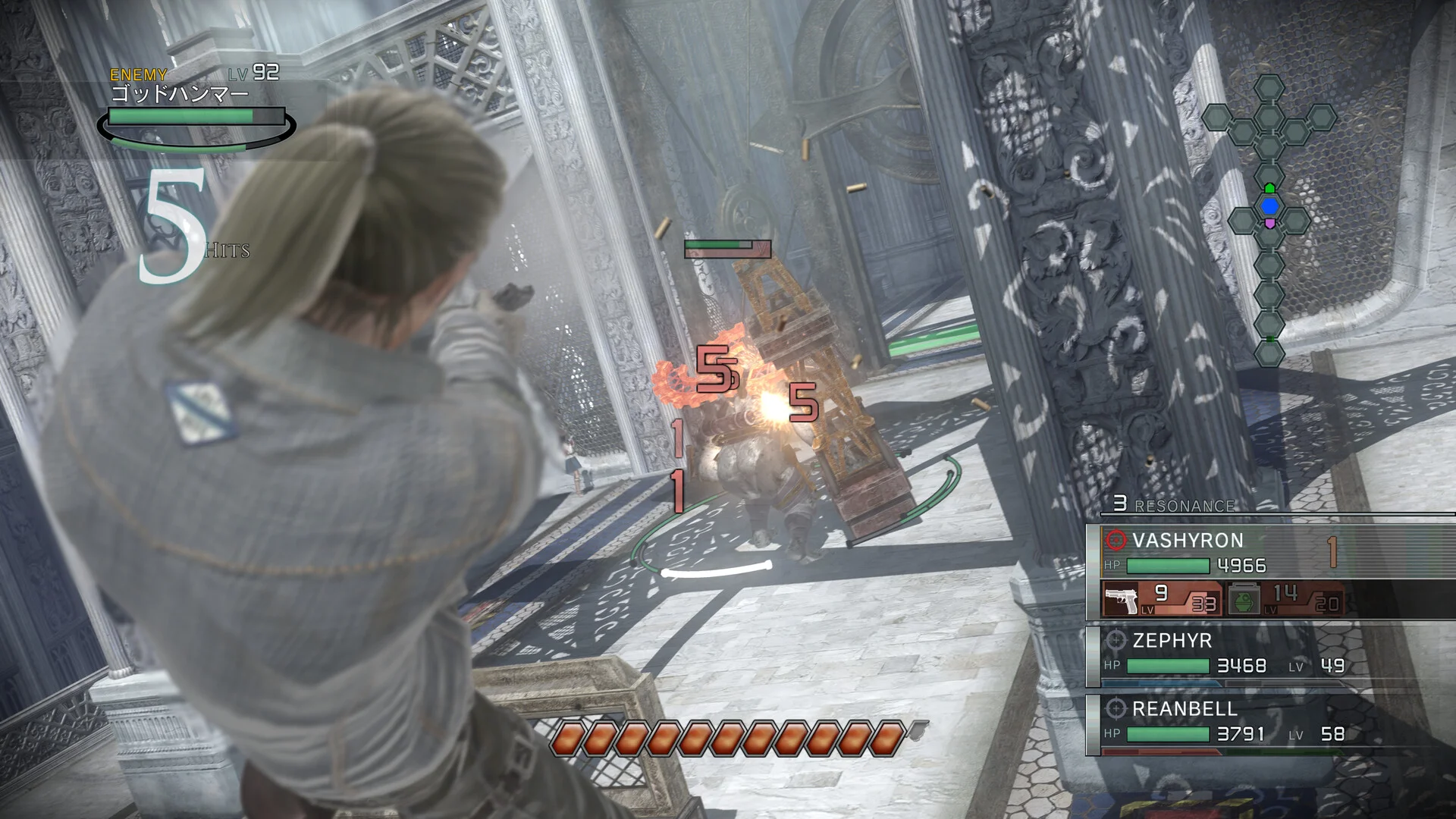
- Resolution and Framerate: The original PS3 and Xbox 360 versions targeted a 720p resolution with noticeable framerate dips during chaotic, screen-clearing gun battles. The remasters elevate performance significantly, targeting a stable 60 frames per second at much higher resolutions (including native 4K support on capable platforms).
- Asset Upgrades and Pre-Rendered Cutscenes: tri-Ace utilized proprietary deep-learning upscaling technology to enhance pre-rendered cutscenes to match higher resolutions. Textures, environmental details, and character hair models received notable touch-ups to look cleaner on modern high-definition displays.
- HDR and Modern Enhancements: Later enhanced versions have introduced High Dynamic Range (HDR) support, further enriching the contrast between the dark, grimy mechanical world and the neon-tinged style of the protagonists' wardrobe.
Quality-of-Life Additions and Gameplay Tweaks
While the core mechanics—such as the tri-attack system, terminal routing, and customizable firearms—remain intact, the remaster introduces functional adjustments to modernize the experience.
- Speed Modes: Modern iterations often include a fast-forward or 2x speed mode, which cuts down on the time spent traversing the world map or watching repetitive transition animations, streamlining the pacing of an otherwise lengthy campaign.
- Exploit Adjustments: Certain economic exploits from the original version—such as specific infinite money loops involving material crafting and resale values—have been adjusted or patched out in modern releases. This alters how players approach early-to-mid-game resource management and clothing purchases.
- Loading Times: Thanks to the hardware capabilities of modern PCs and current-generation consoles, loading screens are dramatically reduced compared to the original disc-based hardware, making exploration and retrying difficult combat encounters much smoother.
Content and Licensing Differences
Depending on the platform and specific release version, minor licensing or content adjustments can be found when comparing the original release to modern versions.
- Wardrobe and Customization: The original release featured licensed collaboration content or specific promotional costume options that occasionally required specific input codes or data access. Depending on the digital store or version platform, some specific licensed clothing items or promotional extras may differ.
- Achievements and Trophies: Modern platform integration brings modernized achievement and trophy lists, replacing or restructuring the original milestone requirements of the 2010 release.
Verdict: Which Version Should You Play?
For newcomers and returning fans alike, the modern remaster represents the definitive way to experience the title. While the core gameplay, steep learning curve, and quirky storytelling remain entirely faithful to the 2010 vision, the removal of technical stutter, the addition of crisp 4K/60fps (or higher) performance, and modern quality-of-life options like speed modes make the remaster far more accessible.
If you already own the original hardware and have a nostalgic attachment to the 2010 release, the classic retains its historical charm. However, for anyone looking to jump into tri-Ace's unique brand of tactical gunplay today, the enhanced remaster is the clear choice.
Next guides4
 Release
Resonance of Fate Enhanced Remaster Release Date: What We Know and What to Expect
PlatformsResonance of Fate Enhanced Remaster on PS5: What to Expect from tri-Ace's Cult Classic
PlatformsPlaying Resonance of Fate on the Steam Deck: Performance, Setup, and Compatibility
Platforms